
Overview
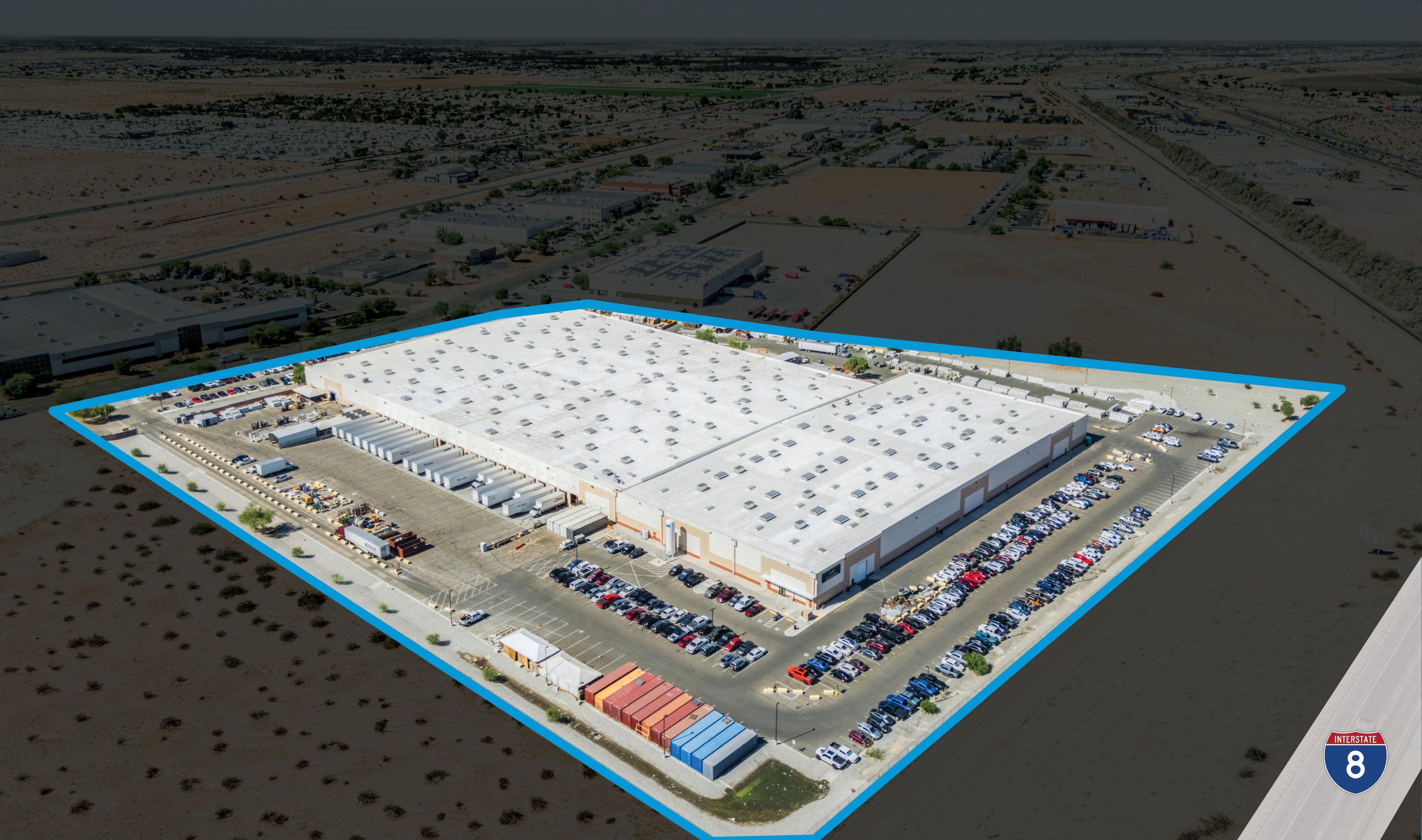
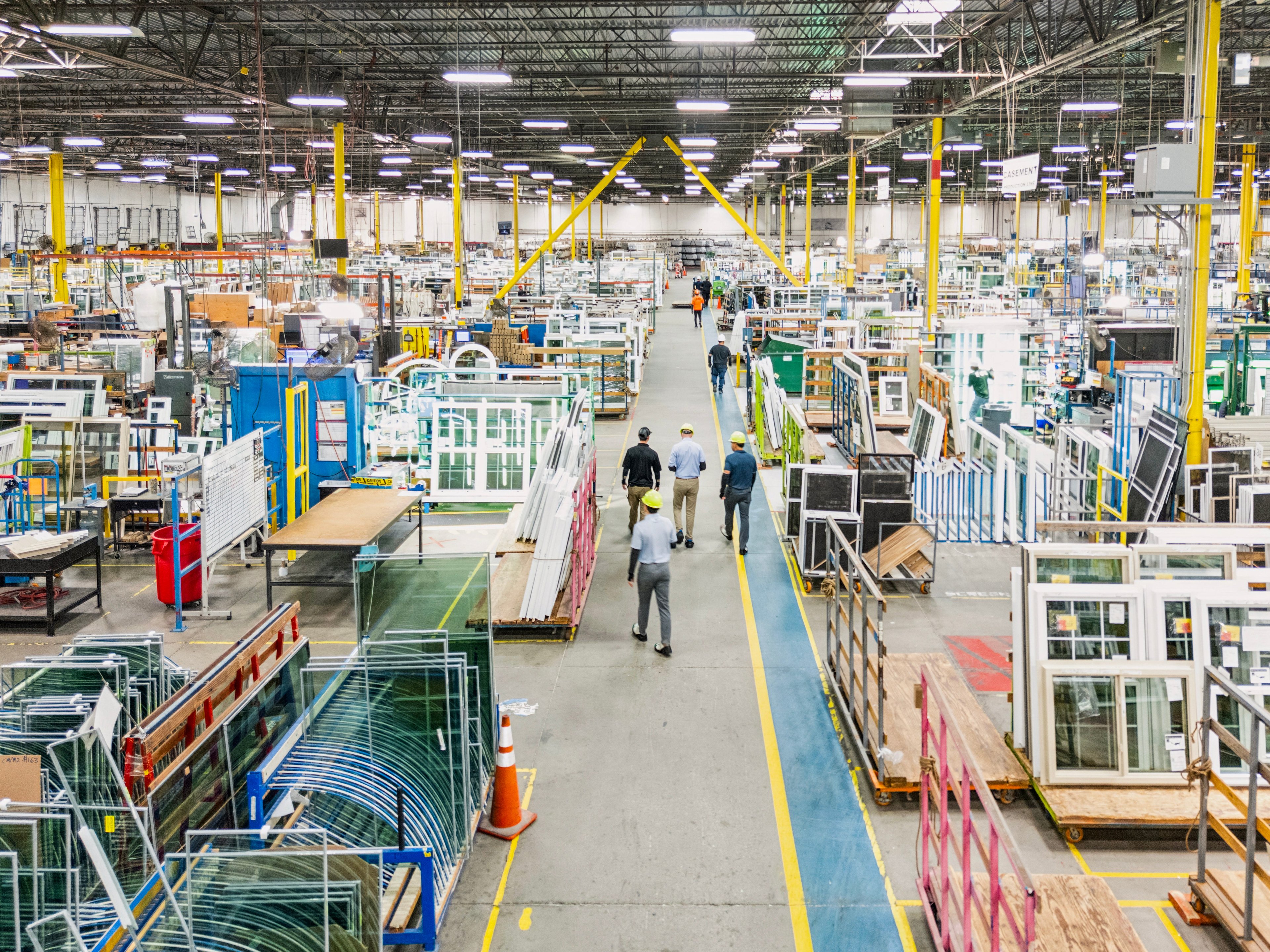
Institutional Property Advisors (IPA), a division of Marcus & Millichap, is pleased to present the opportunity to acquire a mission-critical manufacturing and distribution facility totaling approximately 326,474 square feet (the "Property"), 100% leased to New AMI I, LLC d/b/a Associated Materials Innovations ("AMI" or the "Tenant"). Located in Yuma, Arizona, the Property serves as Associated Materials' sole manufacturing facility in the Western United States and functions as a critical component of the company's North American production and distribution platform.
Originally developed as a build-to-suit for the Tenant in 2005, the Property has remained continuously occupied for over twenty years and recently underwent a transformative expansion and modernization initiative totaling more than $30 million. Concurrent with the expansion, Associated Materials executed a new long-term lease with over 10 years of lease term remaining, reaffirming its long-term commitment to the facility and the strategic role it plays within the company's operations.
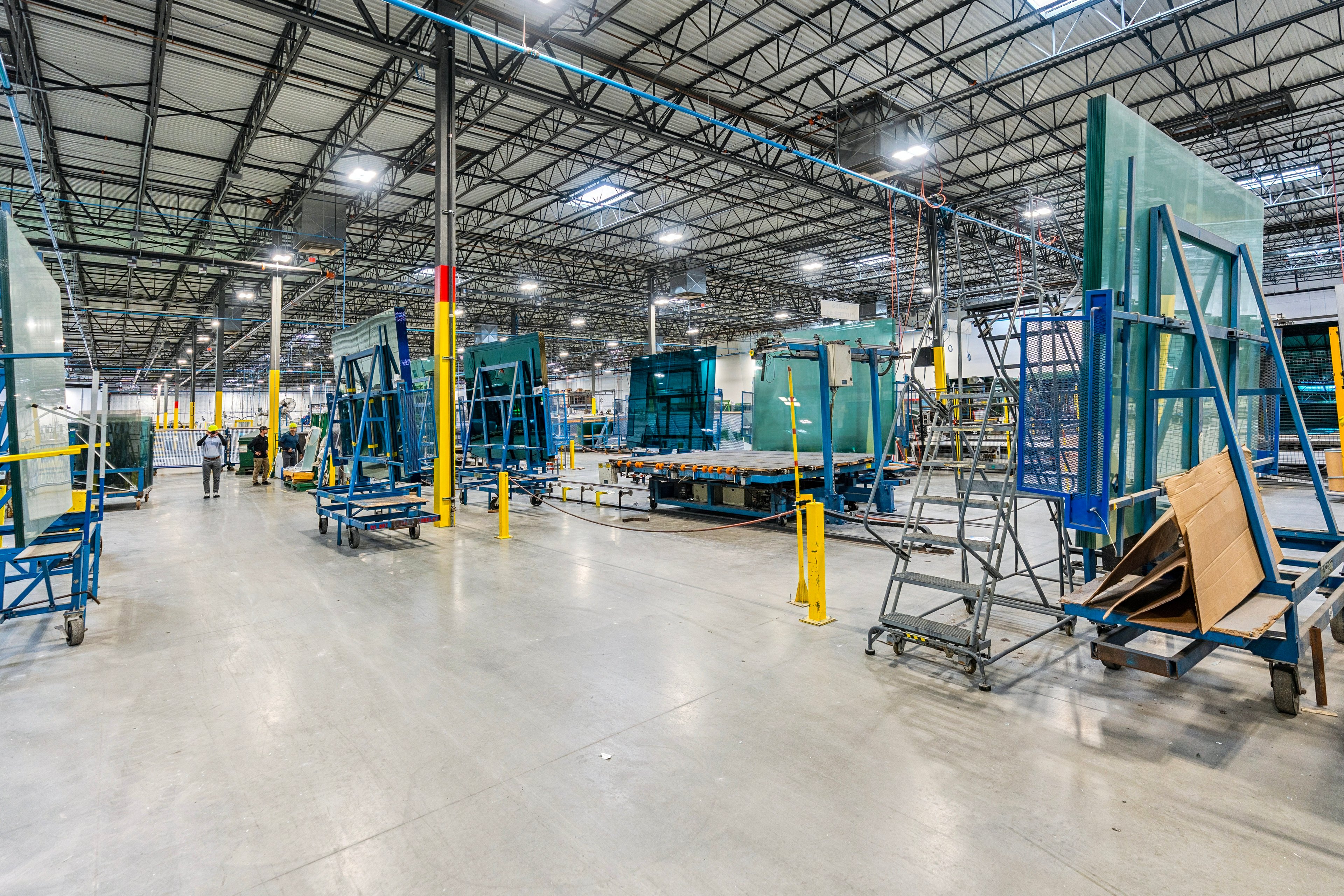
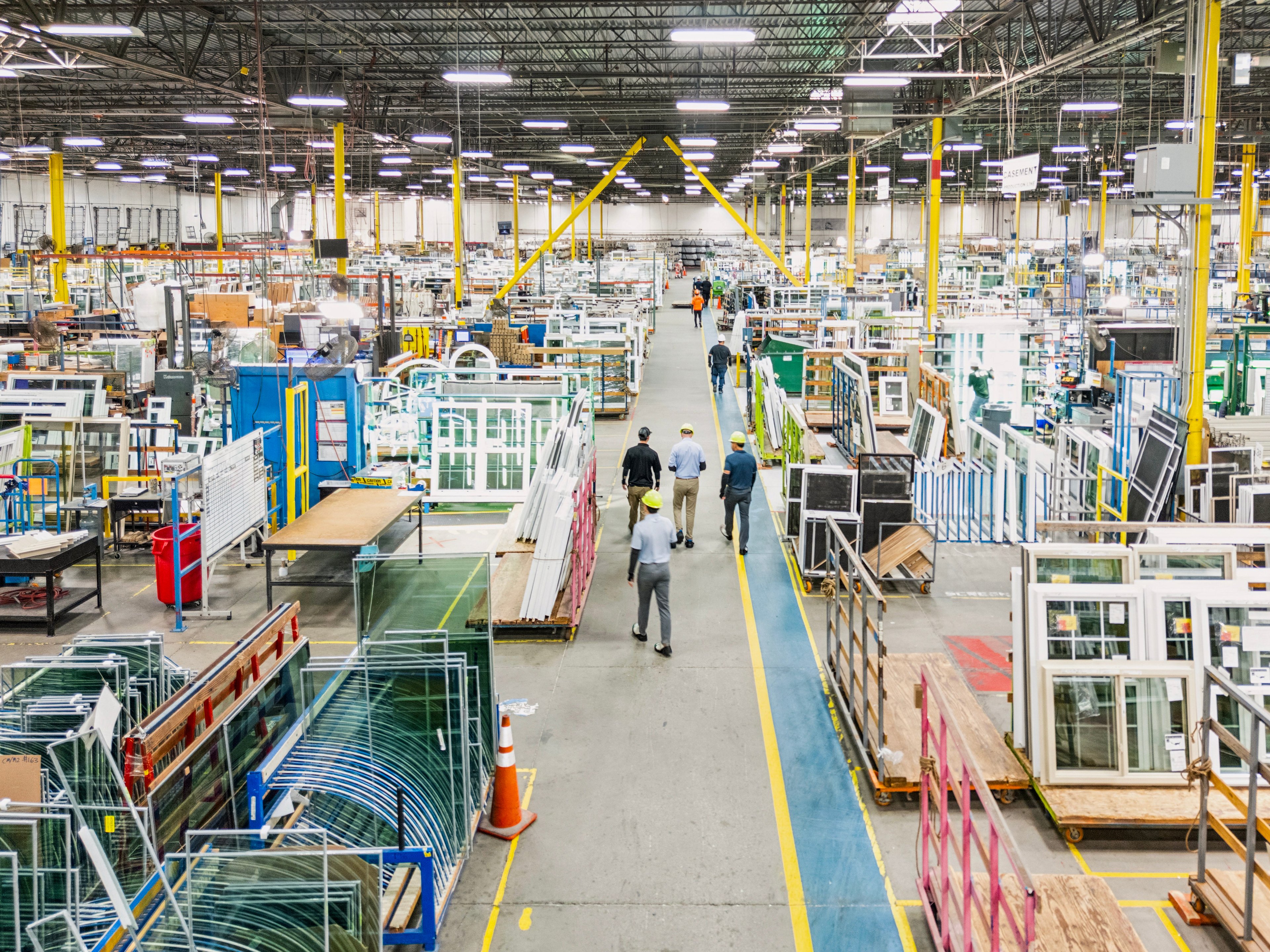
Today, the facility supports approximately 250 employees per shift operating across two shifts per day, six days per week, further underscoring the scale of operations and the deeply entrenched nature of the Tenant's occupancy. Combined with substantial investments in automation, manufacturing infrastructure, and workforce development, the Property represents a highly specialized industrial asset that would be both costly and disruptive for the Tenant to replicate elsewhere.
The U.S. windows and doors market reached approximately $26.4 billion in 2024 and is projected to grow to approximately $38.9 billion by 2032, representing a 4.9% compound annual growth rate. Growth is being driven by a combination of replacement demand, population growth, remodeling activity, technological innovation, and increasingly stringent energy-efficiency standards. The sector has evolved from a traditional building products industry into a performance-driven market where energy efficiency, durability, and regulatory compliance are significant purchasing considerations.
Government policy has been a significant catalyst for industry expansion over the past two decades. Federal tax credits, evolving ENERGY STAR requirements, state energy codes, and building performance standards have accelerated replacement activity and encouraged adoption of higher-performing products. These trends continue to support demand for modern window systems that improve thermal efficiency, reduce energy consumption, and increase homeowner comfort.
Investment Highlights
Key Highlights:
- Manufacturing and distribution
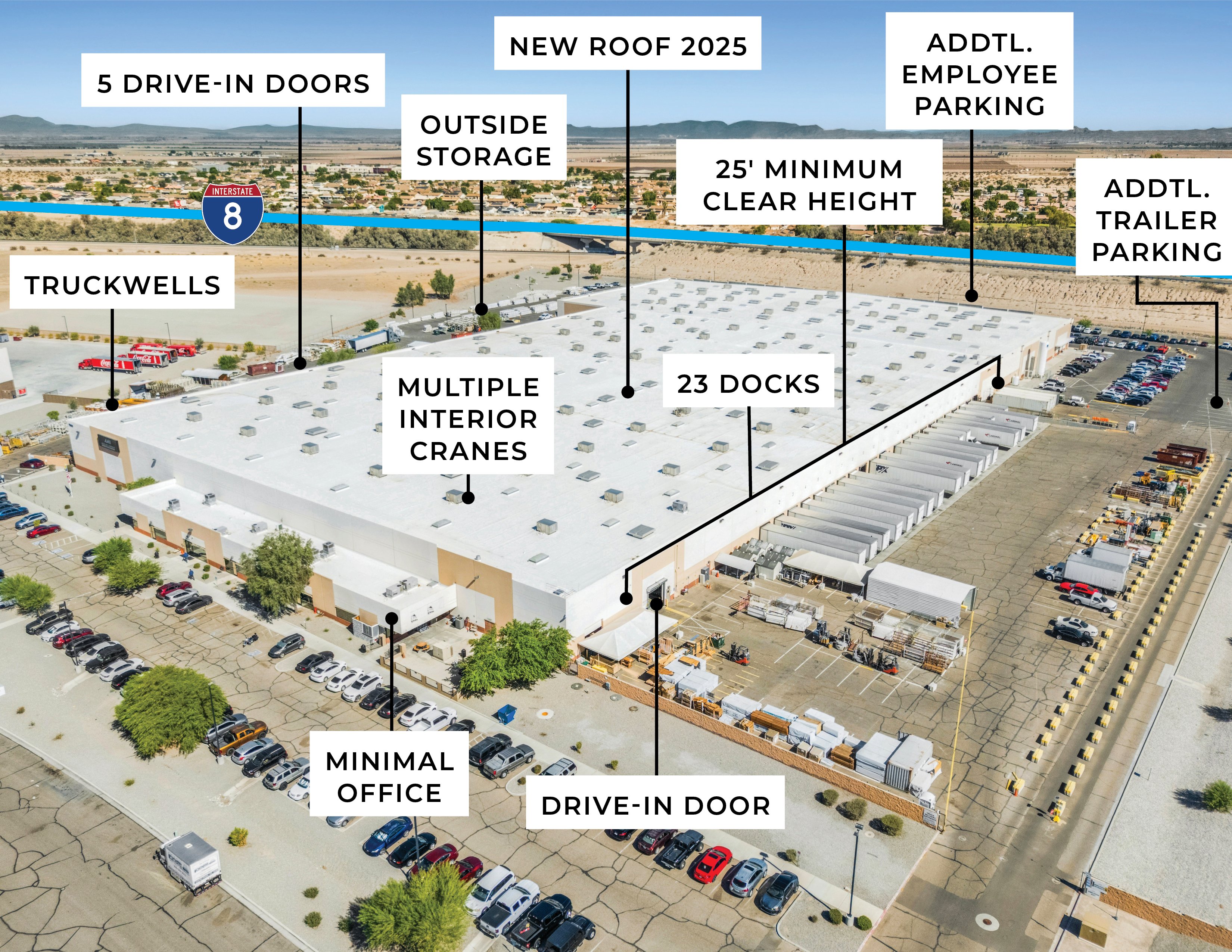
- 25' clear height
- 23 dock high doors, 5 drive in doors including oversized doors
- Three heavy cranes
- Outdoor storage
- Leading glass window and door manufacturer with direct and diversified retail distribution
- Less than 1 mile to Interstate 8
U.S. Windows and Doors Market Size
Photo Gallery