
Overview
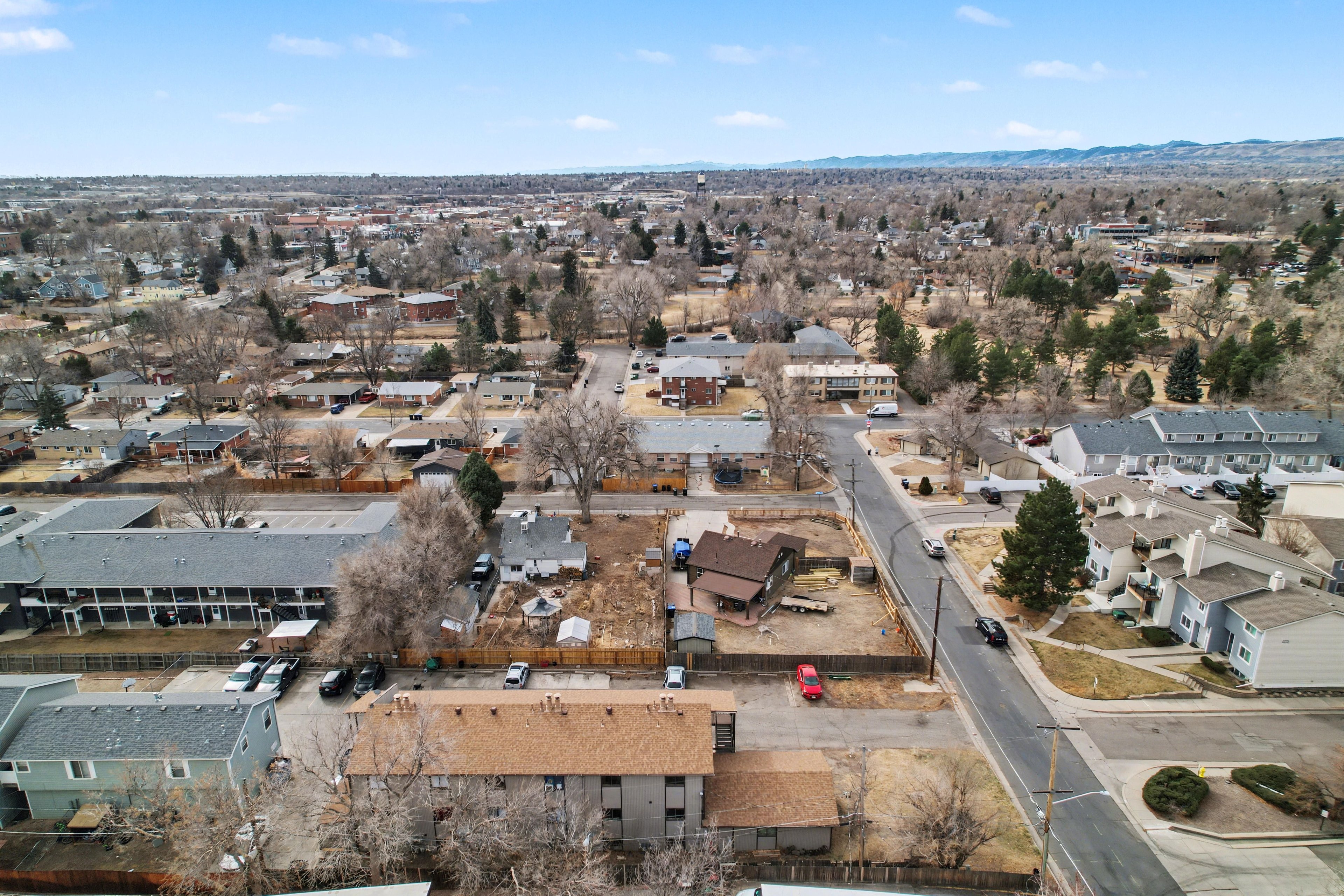
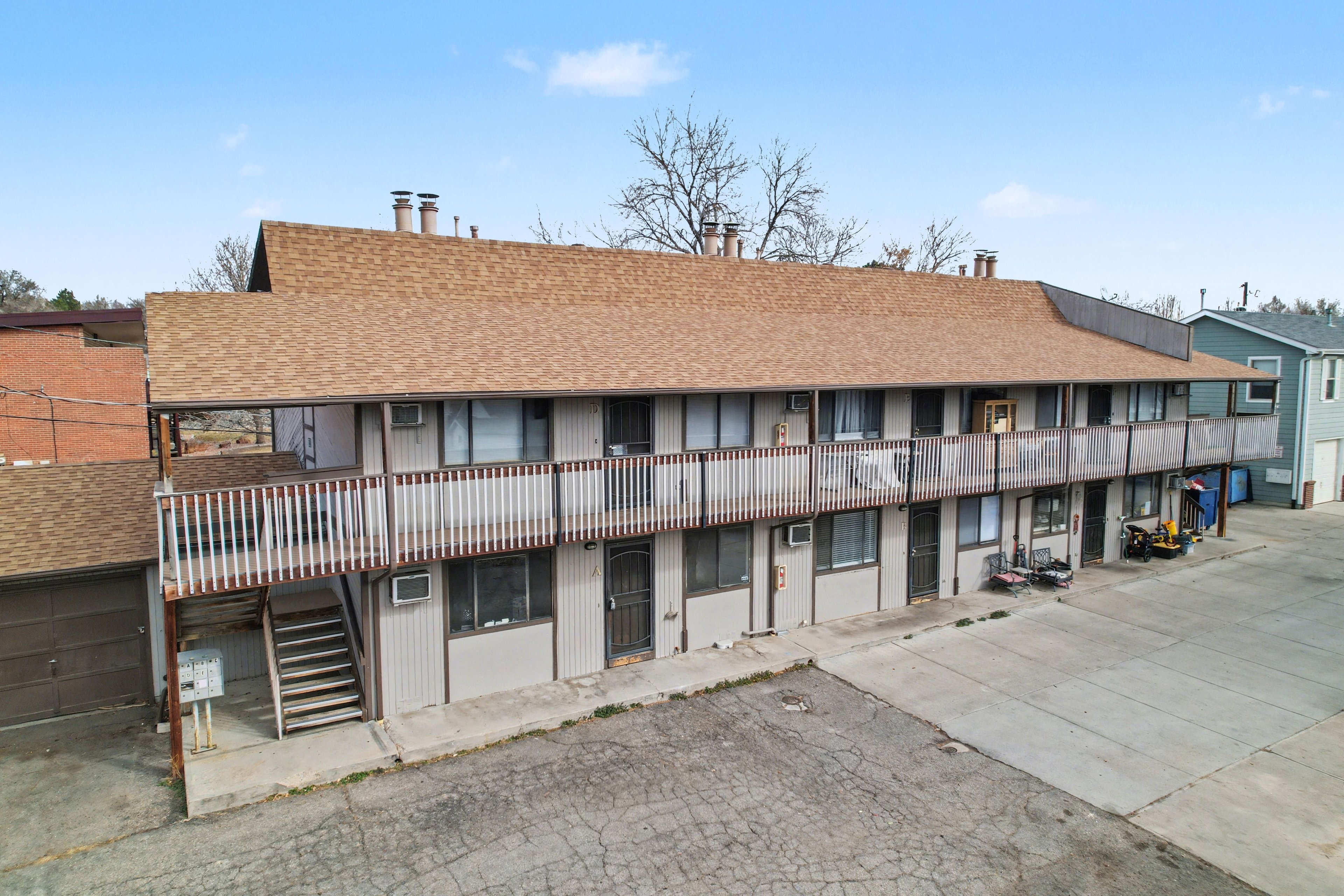
Marcus & Millichap is pleased to present the exclusive opportunity to acquire 6030 Yarrow Street, a stabilized six-unit multifamily investment in Arvada, Colorado. Offered at a 6.46% in-place cap rate with projected expansion to 7.41% in Year One, the asset provides a clear path to immediate income growth through achievable trade-outs rather than reliance on speculative value-add execution.
The property features a balanced mix of two- and three-bedroom units, with current average rents of $1,843 for two-bedrooms and $2,050 for three-bedrooms. This larger-unit profile aligns with durable tenant demand in one of the northwest metro’s most supply-constrained submarkets. With projected stabilized cash-on-cash returns exceeding 10%, the investment offers consistent yield and attractive risk-adjusted performance throughout the hold period.
Strategically located near Olde Town Arvada with strong commuter access, 6030 Yarrow Street benefits from desirable 1980s construction—an uncommon vintage for a six-unit asset. The combination of stable in-place cash flow, measurable day-one NOI growth, and long-term appreciation potential positions this offering as a compelling opportunity within the Denver MSA.
Investment Highlights
Strong, Durable Cash Flow Consistent in-place income supports 8%+ projected cash‑on‑cash returns throughout the hold period, driven by conservative underwriting and organic rent growth.
Organic NOI Upside via Rent Normalization Several rents remain below market levels, enabling meaningful NOI growth through typical lease expirations rather than capital-intensive improvements.
Supply-Constrained Arvada Location Positioned in Arvada, one of the Denver MSA’s most desirable, income-strong, and transit‑connected submarkets; the property benefits from limited new supply, steady rent growth, and long‑term renter demand anchored by Olde Town, the G‑Line, and proximity to major employment corridors.
Rare 1980s Six‑Unit Offering in the Denver MSA As a 1980s‑built six‑unit asset, 6030 Yarrow represents an uncommon opportunity in a market dominated by older 1950s–1970s inventory. Newer vintage construction provides more efficient layouts, reduced long‑term capital exposure, and a differentiated acquisition rarely available today.
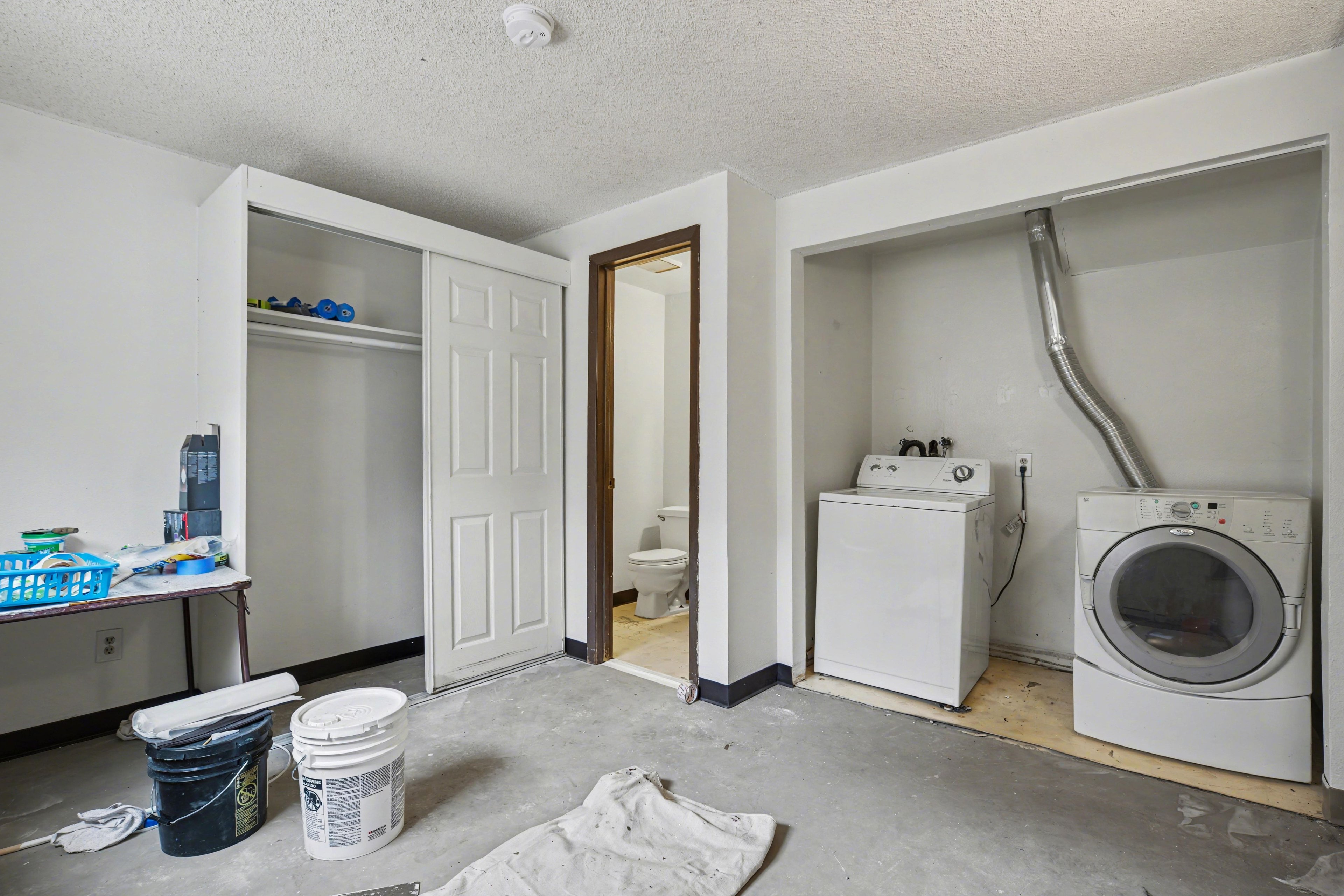
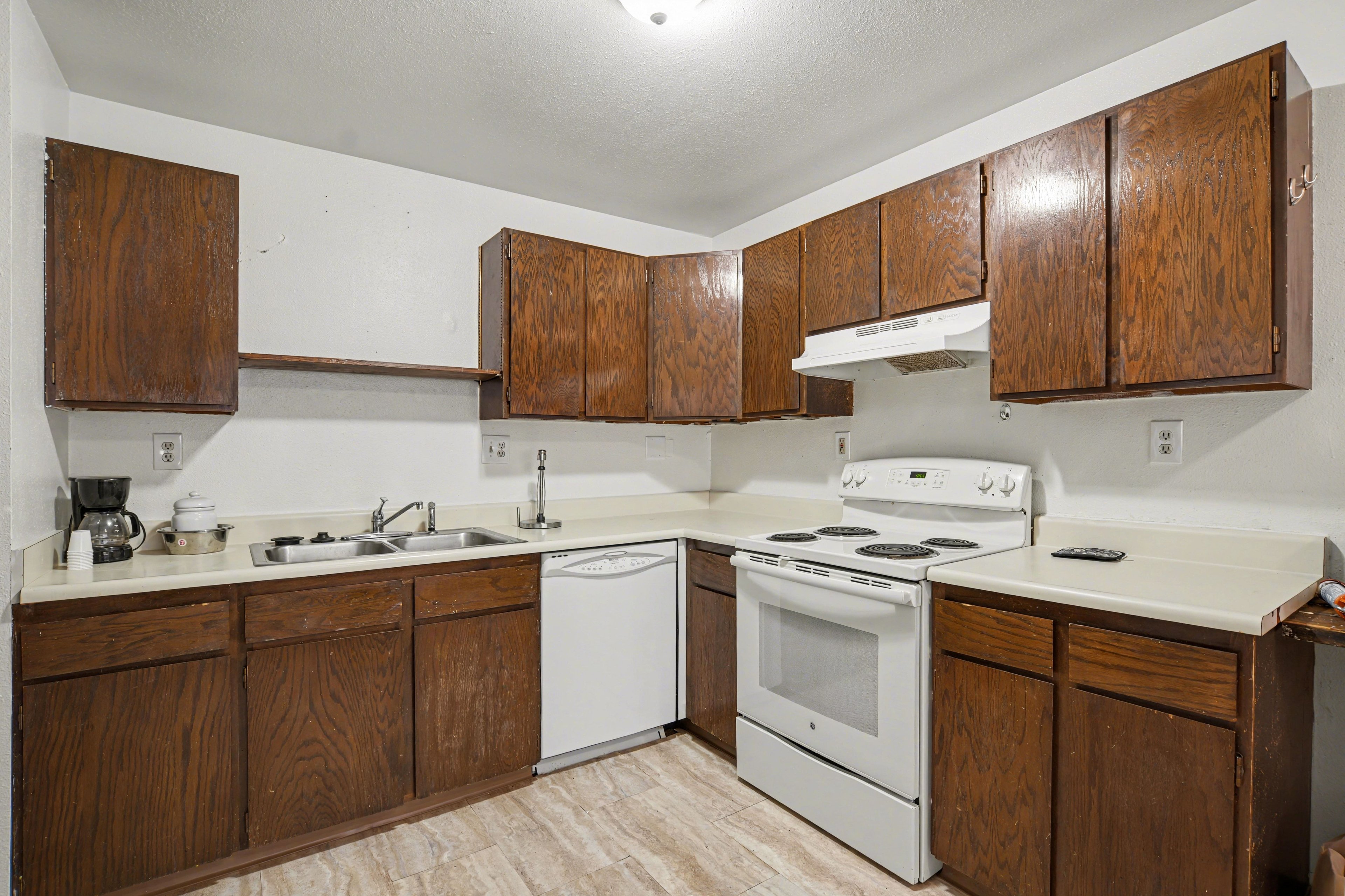
Photo Gallery
Exclusively Listed By: